

تحتفل ألمانيا بمرور ۳۵ عامًا على وحدتها، منذ سقوط جدار برلين التاريخي. تنشر آسيان (هنا بالتعاون مع سودانايل) سلسلة خاصة من المقابلات مع ألمان يتأملون في مسيرة البلاد نحو إعادة الوحدة. وتلتقط هذه الروايات تجارب أفراد شهدوا آثار كسر الحواجز وفتح أبواب لمستقبل مشترك.
تسلط هذه التأملات، التي تتسم بالإنصاف والأصالة، الضوء على مواضيع الكرامة والصمود والأمل. وتتجاوز الروايات السطحية لتقدم منظورات أعمق حول أهمية إعادة التوحيد لألمانيا والعالم.
تماشيًا مع رسالتها في تقديم صحافة ترتكز على الإنسانية المشتركة، تلتزم آسيان بمشاركة هذه القصص مع القراء في جميع أنحاء آسيا وخارجها.
من خلال هذه الأصوات ورسائلها الخالدة، تسعى آسيان إلى تذكير العالم بأن المصالحة والوحدة ورأب الصدع هي مُثل عليا قابلة للتحقيق في عالم اليوم.
مقابلة مع السيد رايموند ليكشا- دريسدن، ألمانيا: من سيليزيا إلى ساكسونيا – كيف شكل الحب حياتي، تزامنا مع إعادة الوحدة.
تجاربي الشخصية كشاب قبل إعادة توحيد ألمانيا
أنا، رايموند ليكشا، وُلدتُ في بولندا إبان جمهورية بولندا الشعبية آنذاك. في بولندا، عشتُ في منطقة سيليزيا العليا ذات الأقلية الألمانية، ولذا كنتُ تاريخيًا، جزءًا لا يتجزأ من مجتمع أقلية هشّ.
بصفتي فردًا من الأقلية الألمانية في هذه المناطق، واجهتُ جميع أنواع المضايقات العلنية، وبالطبع العديد من الكمائن. دفعني سوء إدارة الدولة والرفض العلني، والمضايقات التي تعرّضتُ لها أيضًا في طفولتي وحتى سن الثالثة عشر من عمري، إلى الهجرة إلى جمهورية ألمانيا الاتحادية.
بفضل روابطنا العائلية الواسعة في أجزاء من جمهورية ألمانيا الاتحادية، تمكنت عائلتي من إعالة نفسها ماليًا حتى عبر هذه الحدود حتى عام ١٩٨٠. في ذلك الوقت، كانت جمهورية ألمانيا الاتحادية أفضل حالًا بكثير من جمهورية بولندا الشعبية في ثمانينيات القرن الماضي.
من عام ١٩٨٠ إلى عام ١٩٨٩، لم يكن هناك أي تواصل لعائلتي بين جمهورية ألمانيا الديمقراطية وجمهورية ألمانيا الاتحادية. في طفولتي، وجدتُ في الهروب تحررًا بسبب قلة الدعم والمضايقات الاجتماعية التي فرضتها الاشتراكية على نفسي.
منذ عام ١٩٨٠، وعندما كنتُ شابًا في مقتبل العمر في ألمانيا الغربية، وكما كان في بولندا، كنت بطبيعتي اليافعة، عادةً شابًا شريرا. وهكذا، عشتُ شبابي وما تلاه من عمر كباحث عن نفسي، وشخصٌ قلقٌ، بلا مأوى.
مشاعري خلال عملية إعادة توحيد ألمانيا
كان فضولي واهتمامي خلال تلك الفترة كبير. وكان هناك أمرٌ لا يُصدق، يتداول آنذاك في وسائل الإعلام: المزيد والمزيد من الناس يتوحدون في مقاومة سلمية، يتجمعون في احتجاجات سلمية، يعملون لتغيير جذري، سمة نذر بانهيار دولة، كل هذا من دون استخدام القوة أو العنف. كان وقتها الأمر لا يُصدق بالنسبة لي وللكثيرين غيري.
كان الحماس والتقدير للمخاطر التي يواجهها سكان المناطق الشرقية موضوع نقاشنا اليومي آنذاك. كما أيقظ التعاطف والتضامن مع شعب جمهورية ألمانيا الديمقراطية بطبيعة الحال، طموحاتٍ لثورة سلمية في الأراضي الألمانية السابقة، للأقلية الألمانية في بولندا أيضا. وعليه عاد من هناك أفراد عائلاتٍ عايشوا الحرب والتهجير، مفعمين بالأمل والثقة، بأن وطنهم وممتلكاتهم في الأراضي الشرقية، كجزءٍ من الثورة، ستكون في متناولهم مرةً أخرى. وقتها اشتعلت المشاعر، مصحوبةً أحيانًا بفتح زجاجة شمبانيا احتفالا بالوحدة.
كيف تغيرت حياتي ومجتمعي في العقود الثلاثة الماضية؟
شخصيًا، بقيتُ شخصًا باحثًا عن نفسي، أعيش بلا مأوى في ألمانيا الغربية، وقد مررتُ بالعديد من الاضطرابات. بمصادفة سعيدة وُلدتُ قسريا بدافع الضرورة (المرض)، التقيتُ بزوجتي هايكي ووقعتُ في حبها. لقد وُلدت في دريسدن ونشأت في جمهورية ألمانيا الديمقراطية. في عام ٢٠٠٨، انتقلتُ في هجرة معاكسة، من الغرب إلى الشرق، إلى مدينة دريسدن في ولاية ساكسونيا، حبًا لزوجتي. زوجتي شهدت الثورة في جمهورية ألمانيا الديمقراطية، ولذلك غالبًا ما تتجاوز أحاديثنا حدود الاشتراكية السابقة. عائلة زوجتي، وكثيرون من حولها ممن التقيتهم لاحقًا، مشتتون في جميع أنحاء العالم، وقد انقطعت أواصرهم العائلية. كانت أحاديثنا وأفكارنا الأخيرة تدور غالبا حول موضوع الاضطرابات: “برحيل الكثيرين تحديدًا، ويتجدد المجتمع عندما يعود الأفراد بأفكار جديدة نحو الأفضل.
الشرق أكثر إثارة وتنوعًا من بعض ما يأتي عبر التغطية الإعلامية، أحادية الجانب. الآن يمكن وضع البنية التحتية والخدمات الاجتماعية والرعاية الصحية بشكل عام في الاعتبار، على أنها تسير على الطريق الصحيح، ومتماشية كثيرا مع الأجزاء الغربية من البلاد بالمقارنة. ويمكن القول أن ليس كل شيء مثاليًا، لكننا بشر، ويمكننا تغيير الأمور أو حتى تحسينها.
ما أحبه في ألمانيا كموطني:
ما أحبه في ألمانيا كموطني، هو أنني أستطيع السفر والتنقل بحرية في هذا البلد الجميل والمتنوع. أحب أننا هنا نحافظ على علاقات جيدة وسلمية مع العديد من البلدان. أحب التنوع الجيولوجي والثقافة وحرية التعبير دون قيود أو رقابة. أحب في ألمانيا الرعاية الصحية والخدمات الاجتماعية المتوفرة والتنوع الثقافي. كما أن البيرة الألمانية والالتزام بالمواعيد والنظام مهمان بالنسبة لي أيضا.
منظوري الخاص حول دروس إعادة توحيد ألمانيا وإعادة توحيد كوريا
هنا تبرز أهمية الأفكار الصائبة والرؤى البعيدة كأدوات في أيدي البشرية. نعم، يمكننا تغيير العالم؛ فقد شهد التاريخ العديد من الثورات السلمية. لا شيء يدوم، حتى كشكل مجتمعي معين وثابت إلى الأبد، ولكن يمكننا نحن البشر تغيير واختيار الأنسب لنا.
إن أهمية الالتزام والاهتمام بالمجتمع، والمشاركة الفعالة، واحترام حقوق الإنسان بما يعود بالنفع على الجميع، كلها تعتبر عوامل أساسية تدفعنا إلى تغيير أشكال المجتمع للأفضل.
ما هي المزايا التي أراها لكوريا ومستقبلها من إعادة توحيد شبه الجزيرة الكورية المحتملة؟
كوريا الموحدة، سوف تكون مجتمع يخدم الإنسانية ويحترم الاحتياجات الإنسانية الأساسية، البيولوجية والنفسية على حد سواء، ويشمل البلد بأكمله. أعتقد أن وجود دولة عظيمة، ومتوسعة، ومسالمة، قد تكون أحد الخيارات المثلى. ربما يُمثل النظام السويسري المحايد نموذجا، فيكون وسيطًا وسفيرًا لكتل القوى الأخرى التي لا تزال قائمة.
الطريق إلى التعايش المتسامح والمحترم بين شعوب العالم
يجب تعزيز اللقاءات والاتصالات والتبادل بين الشعوب والدول. الاستقرار من خلال الأمن الخارجي والداخلي يمكّننا من التفاعل الأيجابي، وبناءًا على أمننا الخاص، من التوجه إلى أنفسنا أولا. الإدماج كوسيلة مهمة لجعل المشاركة الاجتماعية في متناول الجميع.
السلام والأمن في العالم يعنيان بالنسبة لي ما يلي:
يعنيان لي أساس حياتي وحياة أحبائي، وهنا تتلخص فكرة مجتمع عالمي خالٍ من المشقة والعنف، لمصلحة الجميع. أتمنى للجميع حياة حرة لكل أفراد المجتمع، وهم يقررون مصيرهم بأنفسهم.
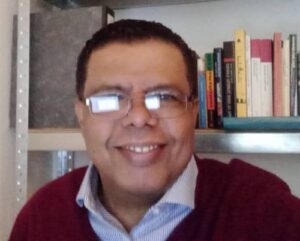
د. حسن حميدة: عضو فخري في جمعية الصحفيين الآسيويين (أ ج أ) وصحفي في مجلة آسيان – سيول، جمهورية كوريا الجنوبية. يقيم ويعمل في ألمانيا.
Email: hassan_humeida@yahoo.de
Germany at 35: An Enduring Reunification, A Lesson for the Korean Peninsula (Interview-VII)
Dr. Hassan Humeida, Germany
Germany commemorates 35 years of unity since the historic fall of the Berlin Wall, AsiaN (Here in cooperation with Sudanile) is publishing a special series of interviews with Germans who reflect on the country’s path to reunification. These accounts capture the experiences of individuals who witnessed the effects of breaking down barriers and opening doors to a shared future.
The reflections, marked by fairness and authenticity, highlight themes of dignity, resilience and hope. They move beyond surface narratives to offer deeper perspectives on the significance of reunification for Germany and for the world.
In keeping with its mission to present journalism grounded in shared humanity, AsiaN is committed to sharing these stories with readers across Asia and well beyond it.
Through these voices and their enduring messages, AsiaN seeks to remind the world that reconciliation, unity, and the bridging of divides are achievable ideals in today’s world.
Interview with Mr. Raimund Lekscha – Dresden, Germany: From Silesia to Saxony – How Love and Reunification Shaped My Life.
My own experiences as a young person before German reunification
I, Raimund Lekscha, was born in Poland during the then People’s Republic of Poland. In Poland, I lived in the minority region of the Upper Silesians and, historically, have always been part of a precarious minority community.
As a member of the German minority in these areas, I was confronted with all kinds of open harassment and, of course, many ambushes. State mismanagement and open rejection, harassment to which I was also exposed as a child up to the age of 13, led my family to emigrate to the Federal Republic of Germany.
Due to our extensive family ties in parts of the German Democratic Republic (GDR), my family was able to support themselves financially even across these borders until 1980. At that time, the GDR was considerably better off than the People’s Republic of Poland in the 1980s.
From 1980 to 1989, there was no family contact between the GDR and the FRG.
As a child, I found it liberating to escape the lack of support and the social harassment of socialism.
From 1980 onward, I was a pubescent young man in West Germany, naturally a Pole who was generally up to no good. Thus, I lived my youth and the years beyond as a searcher, a restless, homeless person.
My Feelings During the German Reunification process
My curiosity and interest were during this time. Something incredible was circulating in the media: More and more people united in peaceful resistance, non-violent protest, a radical change, a collapse of a state, without the use of force. It was unthinkable for me and many others.
Enthusiasm and appreciation for the dangers faced by the people in the eastern territories were our topics of conversation at the time. Affection and solidarity for the people of the GDR naturally also awakened ambitions for a peaceful revolution in the former German territories in Poland.
Family members who had experienced war and expulsion were once again full of hope and confidence that, as part of the upheaval, their homeland and possessions in the eastern territories would once again be accessible to them. Emotions bubbled, occasionally accompanied by a bottle of champagne.
How my life and society have changed in the last three decades?
Personally, I remained a searching, homeless person, experiencing many upheavals, living in West Germany.
Through a happy coincidence, born more out of necessity (illness), I met and fell in love with my wife Heike. She was born in Dresden and grew up in the GDR. In 2008, I moved from the West to the East, to the city of Dresden in Saxony, out of love for my wife. She experienced the revolution in the GDR, and so our conversations often transcend the borders of former socialism.
My wife’s family and many others around her, whom I met later, are scattered all over the world, family ties severed. Our recent conversations and thoughts on the topic of upheaval: “It is precisely through the departure of many that society is renewed when individuals return with new ideas for the better.”
The East is more exciting and diverse than some of the one-sided media coverage. Infrastructure, social services, and healthcare can generally be seen as being on the right track and on par with the western parts of the country.
Not everything is perfect, but we are humans and we can change things or even make things better.
What I love about Germany as my home?
What I love about Germany is that I can move freely within this beautiful and diverse country. I love that we maintain good, peaceful relations with many countries. I love the geological diversity, culture, and freedom of speech, without restrictions or censorship.
I love healthcare and social services, cultural diversity. German beer, punctuality, and order are also important to me.
My own perspectives on the lessons of German reunification for Korean reunification
Ideas and visions as tools in the hands of humanity. Yes, we can change the world; indeed, history has seen many peaceful revolutions. Nothing is permanent, no form of society is fixed forever, but can be changed and chosen by us as humans.
Commitment and interest in society, active participation, and respect for human rights as a benefit for all can drive us to change forms of society.
What advantages I see for Korea and its future about a possible reunification of the Korean Peninsula?
A reunified Korea, a society for the benefit of humanity that respects basic human needs, both biological and psychological, inclusive of the entire country. A great, expanding, peaceful country would be one option. Perhaps the Swiss model could represent neutrality, thus serving as a mediator and ambassador for other still-existing power blocs.
The path to tolerant and respectful coexistence among people worldwide
Promoting encounters, contact, and exchange between individuals and states. Stability through both external and internal security enables us to interact and, based on our own security, to turn to others. Inclusion as a means of making social participation accessible to all.
Peace and security in the world mean the following to me:
The foundation for my life and for my loved ones and the idea of a global community without hardship and violence for the benefit of all. I wish everyone a free, self-determined life.
Dr. Hassan Humeida: Honorary Member at the Asian Journalists Association (AJA) and Journalist at The Asia-N Magazine – Seoul, South Korea. He lives and works in Germany.
Email: hassan_humeida@yahoo.de