

د. حسن حميدة، ألمانيا
تحتفل ألمانيا بمرور ۳۵ عامًا على وحدتها، منذ سقوط جدار برلين التاريخي. تنشر آسيان (هنا بالتعاون مع سودانايل) سلسلة خاصة من المقابلات مع ألمان يتأملون في مسيرة البلاد نحو إعادة الوحدة. وتلتقط هذه الروايات تجارب أفراد شهدوا آثار كسر الحواجز وفتح أبواب لمستقبل مشترك.
تسلط هذه التأملات، التي تتسم بالإنصاف والأصالة، الضوء على مواضيع الكرامة والصمود والأمل. وتتجاوز الروايات السطحية لتقدم منظورات أعمق حول أهمية إعادة التوحيد لألمانيا والعالم.
تماشيًا مع رسالتها في تقديم صحافة ترتكز على الإنسانية المشتركة، تلتزم آسيان بمشاركة هذه القصص مع القراء في جميع أنحاء آسيا وخارجها.
من خلال هذه الأصوات ورسائلها الخالدة، تسعى آسيان إلى تذكير العالم بأن المصالحة والوحدة ورأب الصدع هي مُثل عليا قابلة للتحقيق في عالم اليوم.
مقابلة مع السيدة آلموت هينتتشل- ريثن، ألمانيا: ربط الشرق والغرب، سيرة شخصية عن إعادة التوحيد والأمل.
تجاربي الشخصية كشاب قبل إعادة توحيد ألمانيا
نشأتُ في قرية زراعية صغيرة شمال هامبورغ. خلال تلك الفترة، لم تكن لي أي صلة بالصراع بين ألمانيا الشرقية والغربية. حتى بناء الجدار عام ١٩٦٢ مرّ مرور الكرام على حياتي اليومية.
مشاعري خلال عملية إعادة توحيد ألمانيا
تجاربي الشخصية: منذ زواجي من “لاجئ” من جمهورية ألمانيا الديمقراطية السابقة عام ١٩٦٦، ازداد لديّ فهمٌ وتعاطفٌ كبيران مع هذه القضية. وُلد زوجي، هورست، في بريسلاو عام ١٩٤٠؛ واستقرت عائلته وعائلات أقاربه هناك وحققوا نجاحًا مهنيًا لا يستهان به. بعد أن طردهم الروس من بريسلاو قبيل نهاية الحرب، عاشت العائلات في ظروفٍ ضيقة في فايسن فيلز على نهر زاله. حصل والد زوجي، بطرقٍ غير مباشرة، على عنوان أحد أبناء عمومته من الغرب. بالنسبة له، وبموافقة زوجته، وُلدت فكرة الفرار إلى الغرب. يُقال إن حماتي وجدت صعوبة بالغة آنذاك في ترك أخواتها وأقاربها. وقتها أعدّ الأب خطة الهروب جيدًا. في خريف عام ١٩٤٧، سافر زوجي من فايسن فيلز عبر جبال هارتس إلى هانوفر على دراجة هوائية بسيطة. وهناك، اعتمد على بيع جوارب النايلون لإعالة نفسه. كانت جوارب النايلون مطلوبة بشدة في الغرب ويسهل نقلها على الدراجة. ووفقًا لقصصه، فقد استلمها من جنود أمريكيين.
في ليلة رأس السنة عام ١٩٤٧، هرب زوجي، وهو صبي في السابعة من عمره، إلى الغرب مع والدته سيرًا على الأقدام في البرد القارس، عبر جبال هارتس المغطاة بالثلوج بمساعدة مهربين مأجورين، مرورًا بالروس الذين كانوا يقومون بدوريات على حدود إيليند-براونلاجى وهم يحملون مدافع رشاشة. كان بحوزتهما ٥٠ ماركًا وقطعة شوكولاتة. ووصلت والتقت العائلة الصغيرة أخيرا في مدينة هانوفر. من قصص عائلتي، علمتُ أن من تجرأوا على الفرار إلى الغرب آنذاك كانوا محظوظين للغاية. في الغرب، كانت هناك وظائف بأجر جيد ووظائف آمنة، وازدهار آخذ في الظهور ببطء. بفضل حماي، لم تنقطع روابط العائلة بفايسن فيلز ومدن هاله ولايبزيغ.
في السنوات التي تلت ذلك، كان زوجي يسافر بانتظام بالقطار لزيارة أقاربه، حاملاً معه دائمًا هدايا مطلوبة بشدة: قهوة، شوكولاتة، مستلزمات تجميل، وجوارب نايلون مرارًا وتكرارًا. لاحقًا، بدءًا من سبعينيات القرن الماضي، كنتُ أنا وزوجي وطفلينا نقوم بانتظام عبر معبر ماغدبورغ الحدودي إلى فايسن فيلز، حاملين معنا هدايا مُعلنة بعناية. كنا دائمًا قلقين للغاية بشأن ما إذا كان حرس الحدود سيكتشفون موادًا مهربة لأقاربنا في سيارتنا.
في إحدى المرات، نسينا إخراج كتيبات السفر الجغرافية إلى إيطاليا من السيارة. وكانت النتيجة أن سيارتنا تضررت تمامًا. ما زلتُ فخورةً بفكرة إخفاء خواتم الزواج الخاصة بنا في كعكة إسفنجية وإرسالها إلى فايسن فيلز. عندما مرّت بنا أول سيارة ترابي (من ماركة ترابانت) عام ١٩٨٩، عام إعادة التوحيد، انهمرت دموع الفرح على خدي.
خطر ببالي أن الرخاء قد وصل الآن إلى الشرق أيضًا. ولكن كان هناك جانبٌ آخر للعملة. أتذكر أن أصواتًا ناقدةً سرعان ما ظهرت من سكان الغرب. شعر الناس بالحرمان في حياتهم اليومية عند البحث عن عمل أو سكن أو أماكن في رياض الأطفال. كان من المفترض أن تتدفق أموال إعادة الإعمار فقط إلى الشرق.
لإعادة التوحيد في نوفمبر ١٩٨٩، نظمنا احتفالًا عائليًا خاصًا لجميع العائلات من الشرق والغرب. كان شعارنا: “إعادة توحيد عائلات هينتشل، التي مزقتها الفرقة لعقود”. تشمل الذكريات التي لا تُنسى، تخصيص مبلغ الترحيب الذي يبلغ
١٠ مارك لكل شخص بالغ، وزيارة لماكدونالدز، وتجربة سوق عيد الميلاد المتلألئ حول كنسية السوق في هانوفر، والذي تفوح منه رائحة اللوز المحمص الطازج.
كيف تغيرت حياتي ومجتمعي خلال العقود الثلاثة الماضية؟
منذ معرض إكسبو العالمي عام ٢٠٠٠، أصبحت الضاحية التي عشنا فيها منذ عام ١٩٧٢ منطقة جذب حضري. كل متر مربع منها يُبنى عليه، وتضاعف حجم القرية ثلاث مرات، وتطورت البنية التحتية، مثل رياض الأطفال والمدارس والتدريب المهني والرعاية الطبية ووسائل النقل، بالتوازي مع ذلك، ولكنها أصبحت أيضًا أكثر تكلفة.
زيادة على ذلك أصبحت نسبة النساء العاملات في ألمانيا الغربية أقرب بكثير إلى نسبة النساء العاملات في ألمانيا الشرقية. كما أصبحت “ربة المنزل النموذجية”، وهي نموذج قديم من عصر “بيدرمير”، مجرد شيء للزينة.
ما أحبه في ألمانيا كموطني:
الفصول الأربعة. منذ فترة، عشت في بلد آخر لا تعرف فيه الطبيعة ربيعًا ولا خريفًا. أستمتع بالانبهار بألوان الطبيعة النابضة بالحياة في الربيع أو بالتجول في الغابات النفضية الملونة الأوراق في الخريف.
أحب الدقة والموثوقية. أقدر نظامنا الديمقراطي تقديرًا عاليًا. يمكن لشرائح كبيرة من السكان أن تعيش حياةً هانئةً في ظل هذا الهيكل السياسي والاجتماعي. وحتى من يعيشون في ظروف صعبة، يتمتعون بالحماية. وللذكر، تُموّل أنظمة الضمان الاجتماعي، والمزايا الاجتماعية، وظروف المعيشة الأساسية من خلال الضرائب ومساهمات الضمان الاجتماعي.
مع ذلك، ألاحظ أيضًا تسلل ركودٍ ما، وتباطؤ النمو الاقتصادي. يبدو أن الزخم الذي بدأ قبل ۳٠ عامًا، والذي أدى إلى تنمية اقتصادية واجتماعية أفضل، قد تباطأ.
وجهات نظري الخاصة حول الدروس المستفادة من إعادة توحيد ألمانيا من أجل إعادة توحيد كوريا
أتمنى لو أن شعبي كوريا الشمالية والجنوبية يستطيعان ترسيخ جذورهما، على غرار شعبي ألمانيا الشرقية والغربية. يمكن إحياء التقاليد التي نشأت في الأسرة ولم تُنسى بعد. يمكن للأطفال أن يسألوا آباءهم على مائدة العائلة عن حياتهم قبل الانفصال، أو من خلال لقاءات ثقافية، سواءً كانت في الرياضة أو الموسيقى أو الفن أو حتى الخطاب السياسي.
يمكن تحقيق الكثير بلغة مشتركة، بعملة واحدة، في اعتراف مشترك بثقافاتهم المختلفة، التي شكلها انقسامهم. ألا نسمح لأنفسنا بالانفصال، بل نظل معًا، بمساعدة الروابط العائلية لا العشائرية بين الشمال والجنوب، يمكن أن نعيد بناء الألفة بيننا. وهذا يتطلب صبرًا كثيرًا واحترامًا متبادلًا.
المزايا التي أراها لكوريا ومستقبلها من إعادة توحيد شبه الجزيرة الكورية المحتملة
قد يكون هناك تأثير تآزري في المجالين الاقتصادي والاجتماعي. ربما يُزال عبر الوحدة، التهديد النووي من قبل كوريا الشمالية أيضًا.
الطريق الأمثل إلى تعايش متسامح ومحترم بين شعوب العالم
في مجتمع متسامح، يجب احترام لون البشرة والجنس والانتماء الديني لجميع الناس في جميع أنحاء العالم. لا ينبغي لأحد أن يخشى الاضطهاد بسبب أسلوب حياته المنفرد. بالنسبة لي، الاحترام يعني احترام قيم الآخرين أو دينهم أو معتقداتهم دون تحيز. وليكن عالميًا.
السلام والأمن في العالم يعنيان لي ما يلي:
تنمية مستدامة عالمية تُمكّن أمنا الأرض من توفير الغذاء لجميع من عليها من الناس. عندها يمكن للمجتمعات أن تزدهر في بيئة خالية من الصراع والعنف.
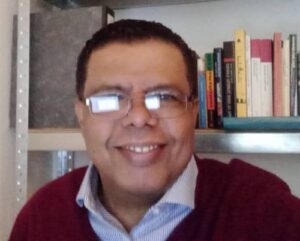
د. حسن حميدة: عضو فخري في جمعية الصحفيين الآسيويين (أ ج أ) وصحفي في مجلة آسيان – سيول، جمهورية كوريا الجنوبية. يقيم ويعمل في ألمانيا.
Email: hassan_humeida@yahoo.de
هنا نهاية هذه السلسلة من الحوارات بمناسبة احتفالات ألمانيا بمرور ۳۵ عامًا على الوحدة الألمانية، والدروس المستفادة من أجل آفاق مستقبلية لتوحيد شبه الجزيرة الكورية. الشكر موصول للأخ الأستاذ طارق الجزولي على الاهتمام الكبير، وأسرة سودانايل من كتاب وقراء على المتابعة. والشكر موصول لأسرة آسيان على التعاون.
Germany at 35: An Enduring Reunification, A Lesson for the Korean Peninsula (Interview-X)
Dr. Hassan Humeida, Germany
Germany commemorates 35 years of unity since the historic fall of the Berlin Wall, AsiaN (Here in cooperation with Sudanile) is publishing a special series of interviews with Germans who reflect on the country’s path to reunification. These accounts capture the experiences of individuals who witnessed the effects of breaking down barriers and opening doors to a shared future.
The reflections, marked by fairness and authenticity, highlight themes of dignity, resilience and hope. They move beyond surface narratives to offer deeper perspectives on the significance of reunification for Germany and for the world.
In keeping with its mission to present journalism grounded in shared humanity, AsiaN is committed to sharing these stories with readers across Asia and well beyond it.
Through these voices and their enduring messages, AsiaN seeks to remind the world that reconciliation, unity, and the bridging of divides are achievable ideals in today’s world.
Interview with Almut Hentschel, Rethen – Germany: Bridging East and West: A Personal Chronicle of Reunification and Hope.
My own experiences as a young person before German reunification
I grew up in a small, agricultural village north of Hamburg. During that time, I had no connection to the East Germany-West Germany conflict. Even the construction of the Wall in 1962 passed unnoticed into everyday life.
My feelings during the German reunification process
Personal experiences: Since marrying a ‘refugee’ from the former German Democratic Republic (GDR) in 1966, I developed an understanding and great empathy for this issue.
My husband, Horst, was born in Breslau in 1940; his family and those of his relatives settled there and achieved professional success. Expelled from Breslau by the Russians shortly before the end of the war, the families lived in cramped conditions in Weißenfels on the Saale River.
My husband’s father, through many roundabout means, obtained the address of one of his cousins from the West. For him, and with his wife’s consent, the idea of fleeing to the West was born. My mother-in-law is said to have found it very difficult to leave her sisters and relatives behind.
The father had prepared the escape well. In the fall of 1947, he cycled from Weißenfels across the Harz Mountains to Hanover on a simple bicycle. There, he supported himself by selling nylon stockings. Nylon stockings were also highly sought after in the West and easy to transport on a bicycle. According to his stories, he received the goods from American soldiers.
On New Year’s Eve 1947, my husband, a seven-year-old boy, fled to the West with his mother on foot in the bitter cold, across the snow-covered Harz Mountains with the help of hired smugglers, past Russians patrolling the Elend-Braunlage border with machine guns. They had 50 marks at their disposal, and a bar of chocolate. The small family reunited in Hanover. From family stories, I learned that those who dared to flee to the West at that time were extremely lucky.
In the West, there was well-paid work and secure employment. And a slowly emerging prosperity. It is thanks to my father-in-law that the family ties to Weissenfels, Halle, and Leipzig were not lost. In the years that followed, he regularly traveled by train to visit his relatives, always carrying highly sought-after groceries: coffee, chocolate, toiletries, and, time and again, nylon stockings.
Later, from the 1970s onward, my husband, our two children, and I regularly drove across the Magdeburg border crossing to Weißenfels with carefully declared gifts. We were always incredibly nervous about whether border guards would discover contraband in our car.
We once forgot to take our travel brochures for Italy out of the car. The consequence was that our car was completely gutted. I’m still proud of the idea of hiding wedding rings in a sponge cake and sending them to Weißenfels. When the first Trabbis (from the Trabant brand) passed us in 1989, the year of reunification, tears of joy streamed down my cheeks.
It occurred to me that prosperity was now also arriving in the East. But there was also another side to the coin. I remember that critical voices soon emerged from the western population. People felt disadvantaged in their everyday lives when looking for work, housing, and kindergarten places. Supposedly, only the money for reconstruction was flowing to the East.
For reunification in November 1989, we privately organized a family celebration for all families from East and West. The motto was: “The reunification of the Hentschel families, torn apart for decades.”
Unforgettable memories include the welcome money of 10 marks for each adult, a visit to McDonald’s, and the experience of a glittering Christmas market around Hanover’s Marktkirche, smelling of freshly roasted almonds.
How my life and my society have changed in the last three decades
Since the World Expo in 2000, the village where we have lived since 1972 has become a suburban catchment area. Every square meter is built on, the village has tripled in size, and infrastructure such as kindergartens, schools, vocational training, medical care, and transport volumes have grown along with this, but have also become more expensive.
The percentage of working women in West Germany has become much closer to that of working women in East Germany. The ‘typical housewife,’ a model from the Biedermeier era, has been relegated to a mere tuck in the back of the hat.
What I love about Germany as my home
The four seasons. Some time ago, I lived in a country where nature doesn’t know spring or autumn. I enjoy being amazed by the vibrant colors of nature in spring or strolling through colorful deciduous forests in autumn.
I like a certain punctuality and reliability. I highly value our democratic system. Large segments of the population can live almost carefree in this political and social structure. Even people in difficult circumstances are protected. Social security systems, social benefits, and basic living conditions are financed through taxes and social security contributions.
However, I also observe that a certain stagnation has crept in, that economic growth is stagnating. The momentum that began 30 years ago, which led to better economic and social development, seems to have slowed down.
My own perspectives on the lessons learned from German reunification for reunification of Korea
I wish that the people of North and South Korea could put down roots, following the example of the people of East and West Germany. The traditions that emerged from the family and have not been forgotten could be revived together. Children could ask their parents at the family table what life was like before the separation, or in the form of intercultural encounters, be it in sports, music, art, or even political discourse.
In a common language, in a single currency, in a shared recognition of their respective cultures, each shaped by their division. Not allowing ourselves to become alienated, but together, with the help of familial rather than clan-based ties from North and South, re-establishing a place of familiarity. This requires patience and a great deal of mutual respect.
What advantages I see for Korea and its future about a possible reunification of the Korean Peninsula
There could be a synergy effect in economic and social areas. Perhaps North Korea’s nuclear threat would also be eliminated.
The path to tolerant and respectful coexistence among people worldwide
In a tolerant society, skin color, gender, and religious affiliation should be honored and respected for all people worldwide. No one should ever fear persecution because of their way of life. For me, respect means respecting another person’s values, religion, or beliefs without prejudice. WORLDWIDE.
Peace and security in the world mean the following:
Global sustainable development that allows our Mother Earth to provide food for all people. Then societies can thrive in an environment free of conflict and violence. Societies can then thrive in such an environment without conflict and violence.
Dr. Hassan Humeida: Honorary Member at the Asian Journalists Association (AJA) and Journalist at The Asia-N Magazine – Seoul, South Korea. He lives and works in Germany.
Email: hassan_humeida@yahoo.de
This is the end of the interviews marking Germany’s 35th anniversary of German unification, and the lessons learned for future prospects for Korean Peninsula unification. Thanks to Mr. Tarig Algazoli for his care; and to the Sudanile Family of writers and readers for their intrest. Thanks also to the Asian family for the cooperation.