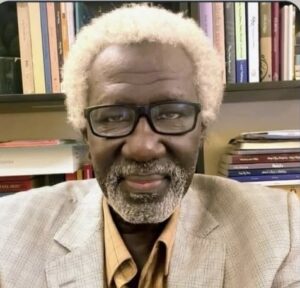



الخرطوم، 10 فبراير 2013
طاب صباحكم سيداتي سادتي، وشكراً جزيلاً على حضوركم لهذا المؤتمر الصحفي.
في ختام زيارتي الثانية للسودان أود أن أشكر حكومة السودان لتعاونها المستمر وللدعم الذي قدمته لتسهيل زيارتي. وأود أيضاً أن أشكر البعثة المشتركة للاتحاد الإفريقي والأمم المتحدة في دارفور (اليوناميد)، والفريق القطري للأمم المتحدة، وأعضاء السلك الدبلوماسي، ومنظمات المجتمع المدني للدعم الذي قدموه لي أثناء الزيارة.
في سبتمبر من العام الماضي قام مجلس حقوق الإنسان بتجديد التفويض الممنوح لي لسنة أخرى. ويتطلب هذا التفويض مني أن أقيّم وضع حقوق الإنسان في البلاد وأتحقق منه لأجل تحديد احتياجات الحكومة من حيث العون الفني وبناء القدرات. ويحث التفويض الحكومة على تمكيني من زيارة كل مناطق البلاد، ولاسيما ولايات دارفور وجنوب كردفان والنيل الأزرق. وقد كان التركيز الجغرافي خلال هذه الزيارة على الخرطوم ودارفور. وسيكون التركيز خلال الزيارة القادمة على جنوب كردفان والنيل الأزرق وبقية مناطق البلاد.
التقيت بطيف واسع من المختصين في كل من الخرطوم والفاشر (دارفور). وأتمنى أن التقي بأهل الشأن الآخرين، الذين لم أتمكن من الالتقاء بهم هذه المرة، في زيارتي القادمة بعد بضعة أشهر. مكنتني الحكومة من زيارة كل الأماكن والأشخاص والمؤسسات التي طلبتها. ففي الخرطوم التقيت بوزير العدل، والمجلس الاستشاري لحقوق الإنسان، ووكيل وزارة الخارجية، ووزير الداخلية، ورئيس مفوضية العدل والحقيقة والمصالحة بدارفور، والمدير العام لجهاز الأمن والمخابرات الوطني، ونائب المدير العام لقوات الشرطة، ولجنة حقوق الإنسان بالمجلس الوطني، والمفوضية القومية لحقوق الإنسان، ومجلس الصحافة والمطبوعات الصحفية، وبعض أعضاء السلك الدبلوماسي. وفي دارفور التقيت بمسؤولي اليوناميد ووكالات الأمم المتحدة الأخرى والعديد من المسؤولين الولائيين، بمن فيهم والي شمال دارفور، والسلطة الاقليمية لدارفور، ورئيس الجهاز القضائي بشمال دارفور، والمدّعي العام للمحكمة الخاصة لجرائم دارفور، والمدّعي العام لولاية شمال دارفور، ووزير الشؤون الاجتماعية بولاية شمال دارفور، ووحدة حماية الأسرة والطفل بالشرطة إلى جانب منظمات المجتمع المدني. وقمت أيضاً بزيارة معسكر أبو شوك للنازحين بالقرب من الفاشر ومركز دراسات السلام وحقوق الإنسان بجامعة الفاشر.
وأود أن أنتهز هذه الفرصة لأقدم لكم تنويراً موجزاً عن ملاحظاتي الأولية. سأرفع تقريري الختامي لمجلس حقوق الإنسان في سبتمبر. ملاحظتي الأولية هي أنه قد تم إحراز تقدم ملحوظ بشأن ترقية وصون حقوق الإنسان من قبل حكومة السودان إلا أن هنالك تحديات جسام يتعيّن مخاطبتها.
وأشير إلى أنّ حكومة السودان قد أتخذت المزيد من الخطوات حيال تنفيذ توصيات الأستعرض الدوري الشامل، بما في ذلك تنظيم ورش عمل في ولاية الجزيرة والنيل الازرق والولاية الشمالية وولاية نهر النيل وولاية البحر الأحمر لتعريف هذه الولايات بالإطار الزمني ونقاط إتصال توصيات الإستعراض الدوري الشامل. وهناك جداول زمنية بشأن تنظيم ورش عمل في الولايات الست المتبقية بنهاية فبراير 2013. وقد أشارت الحكومة إلى المجالات ذات الأولوية في تنفيذ توصيات الإستعراض الدوري الشامل لعام 2013 ستتمثل في إقامة العدل وإصلاح القوانين والتصديق على المعاهدات الدولية المحددة المتعلقة بحقوق الإنسان. وسأقوم بمراقبة التقدم المحرز في تنفيذ هذه المبادرات.
قد أكّدتُ في تقريري الأخير على الدور الهام الذي تضطلع به المفوضية القومية لحقوق الإنسان في ترقية وحماية حقوق الانسان وركزتُ على ضرورة قيام الحكومة بدعم المفوضية بالتمويل المطلوب لتمكينها في أداء وظيفتها على نحوٍ فعال. وقد علمتُ بأنّ الحكومة قد أجازت ميزانية المفوضية وأنّ الأموال سيتم صرفها عن قريب. أحثُّ الحكومة على تنفيذ صرف هذه الأموال بأسرع وقتٍ ممكن لتمكين المفوضية على تنفيذ المهام الموكلة إليها. ومن الجدير بالذكر أيضاً أنّ المفوضية تتلقي في الوقت الحالي الأموال من برنامج الأمم المتحدة الإنمائي والتي ستمكنها من توسيع نطاق عملها على المستوى القومي. إنني أقدّم الشكر لبرنامج الأمم المتحدة الإنمائي على دعمه للمفوضية.
التقيتُ مع المدعي العام للمحكمة الخاص بجرائم دارفور الذي أبلغني بأنّه قد باشر في متابعة الجرائم المرتكبة في دارفور. وقد طلبت معلومات عن الحالات التي قيد الملاحقة القضائية، فضلاً عن التقدم المحرز والتحديات التي تواجه مكتبه والتي سيتم تفصيلها في تقريري النهائي. غير إنني أشير بقلقٍ إلى أنّ الجرائم المرتبطة بالصراع في دارفور تجري في الوقت الحالي محاكمتها أمام المحاكم العادية وأنّ الموظفين المعنيين بحقوق الإنسان قد حُرِموا من الوصول إلى هذه المحاكمات. أحثُّ الحكومة على ضمان تفعيل المحاكم الخاصة بالجرائم المرتكبة في دارفور وفق ما نصّت عليه وثيقة الدوحة للسلام في دارفور ومنح المراقبين الوطنيين والدوليين الوصول دون عوائق إلى المحاكامات الجارية.
فيما يتعلق بالتحديات، يؤسفني أن أذكر بأنه وعلى الرغم من التوصيات التي وردت في تقريري الأخير الذي أكدت فيه على أهمية دور منظمات المجتمع المدني وناشدت فيه الحكومة على خلق بيئة مواتية لعمل هذه المنظمات، من الواضح أن الحكومة من خلال جهاز الأمن والمخابرات الوطني قد ضيّقت الخناق على بعض منظمات المجتمع المدني ومنعتها من تقديم شكوى إلى اللجنة الوطنية لحقوق الإنسان في الخرطوم. إن مثل هذا المنع يمثل عائقاً واضحاً يعترض عمل اللجنة. وقد احتجّت اللجنة على هذا العائق الذي اعترض عملها. وقد أعربت عن أسفي عن وقوع هذه الحوادث وناشدت الحكومة الكف عن مثل هذه الأعمال. أدعو مرة أخرى الحكومة للسماح لمنظمات المجتمع المدني بالعمل بحرية واحترام الحق في حرية التجمع وحرية التعبير وحرية الصحافة وأيضا خلق بيئة مواتية وفتح خطاب سياسي حول العملية الدستورية الجارية.
وينتابني أيضا القلق بشأن اعتقال واحتجاز جهاز الأمن الوطني لرموز المعارضة السياسية وغيرهم من الأفراد. وقد أُبلغت بأن بعض المعتقلين يعانون من مشاكل صحية ويحتاجون إلى عناية طبية عاجلة. وقد ناشدت الحكومة إطلاق سراحهم فوراً أو توجيه التهم إليهم وتقديمهم للمحاكمة. ولا بد لي أن اؤكد بأن معظم أصحاب المصلحة الذين التقيتهم خلال هذه الزيارة قد اثاروا الانتهاكات المستمرة لحقوق الإنسان من قبل جهاز الأمن والمخابرات الوطني وقد ناشدت الحكومة على اتخاذ هذه المسألة على محمل الجد. وكمؤسسة من مؤسسات الدولة، على جهاز الأمن والمخابرات الوطني أن يضع اعتبارات حقوق الإنسان في الحسبان عند تنفيذ مهامه.
وحول الوضع في دارفور، فإن ملاحظتي التي استندت على إحاطات اليوناميد وأصحاب المصلحة الآخرين هي أنه وعلى الرغم من أنه لا يزال الوضع الأمني وحقوق الإنسان في حاجة ماسة الى تحسن، فإن هناك بعض التحسن النسبي عبر السنين نتيجة للعمل الجيد الذي قامت به اليوناميد ووكالات الأمم المتحدة الأخرى العاملة بالتعاون مع حكومة الولاية . كما أشار تقرير الأمين العام بشأن اليوناميد الذي صدر في يناير عام 2013 إلى أن هناك تراجع نسبي في عدد الانتهاكات الموثقة لحقوق الإنسان. ومع ذلك، لا تزال هناك تحديات كبيرة تواجه تحسين وضع حقوق الإنسان، ولا سيما في شمال وجنوب ووسط دارفور بسبب الحوادث المسلحة في تلك المناطق.
وفي شمال دارفور، فقد أثرت قضية انعدام الأمن ووصول المساعدات الإنسانية على التمتع بحقوق الإنسان. وقد أدت الاشتباكات القبلية في جبل عامر وبعض المناطق الاخري مثل كتم وأبودليق وسرف عمرة وكبكابية إلى سقوط المدنيين وتشريدهم.
وقد أتاحت لي زيارتي الى معسكر أبوشوك للنازحين الفرصة للتحدث مع قادة المجتمع المحلي وممثلات المرأة وشرحوا لي احتياجاتهم وأعربوا عن أملهم في العودة إلى مواطنهم الأصلية. إن مبادرة الحكومة للحد من انتشار الأسلحة والعنف في إقليم دارفور من خلال تسجيل ووسم الأسلحة، هي مبادرة جديرة بالثناء ويجب تنفيذها بكل المثابرة.
هنالك قضايا اخرى في دارفور استرعت اهتمامي، وهذه تشمل سلامة النازحين العائدين وحماية المدنيين في مناطق الصراع والإفلات من العقاب. كما أن حماية حقوق المرأة والطفل هي أيضا من القضايا ذات الاهتمام. وقد أعرب رئيس السلطة القضائية بولاية شمال دارفورعن قلقه إزاء آثار الحرب على الأطفال وأكد على الحاجة إلى تحسين قضاء الأحداث. وقد لاحظت انشاء إصلاحية حديثة جديدة للأحداث ومباني محكمة جديدة في الولاية وهذه جميعها خطوات في الاتجاه الصحيح. كما تم التأكيد على الحالة السيئة للسجون. تهدف توصياتي بشأن العون الفني وبناء القدرات إلى معالجة بعض هذه التحديات.
لم تتمكن لجنة الحقيقة والعدالة والمصالحة التي انشئت بموجب وثيقة الدوحة لسلام دارفور من العمل بسبب نقص التمويل. لكنني أفهم أن الحكومة قد ضخت الآن الأموال إيفاءً بالتزاماتها بموجب وثيقة الدوحة لسلام دارفور مما مكن السلطة الاقليمية لدافور من إنشاء اللجان المختلفة وتفعيلها.
كان هناك توافق في الآراء بين جميع الذين التقيتهم بأن السلام والأمن في دارفور هي الشروط اللازمة لضمان تحسين حالة حقوق الإنسان. إن التنفيذ الكامل لوثيقة الدوحة للسلام في دارفور لهو أمر ضروري وأناشد جميع أصحاب المصلحة على تجديد التزامهم في هذا الصدد. كما أحث أيضا الجماعات المسلحة التي لم توقع بعد على الاتفاق التوقيع عليه خدمة للسلام الدائم والاستقرار في المنطقة.
وفي الختام، أحث وأشجع الحكومة على تعزيز جهودها لتحسين وضع حقوق الإنسان في البلاد والعمل على مواجهة التحديات التي حددت آنفاً. وتشكل هذه التحديات أساسا لتحديد مجالات المساعدة التقنية وبناء القدرات اللازمة لتحسين وضع حقوق الإنسان في البلد. وفي هذا الصدد، أود أن أكرر التزامي بمتابعة التفويض الخاص بي لمساعدة السودان في الوفاء بالتزاماته تجاه حقوق الإنسان.
وأخيرا، علي أن أشكر أيضا جميع الشركاء الدوليين والوكالات التي ساهمت في تحسين وضع حقوق الإنسان في السودان ونأمل أن تستمر في مساهماتها.
وشكراً
عين البروفيسورماشود أبدبايو أديبايو بادرين من قبل مجلس حقوق الإنسان التابعللأمم المتحدة خبيراً مستقلاًللأمم المتحدة لوضع حقوق الإنسان في السودان في مارس 2012. ويعمل حالياً أستاذ للقانون في سواس، جامعة لندن في المملكة المتحدة.
////////////
Press Statement issued by the UN Independent Expert on the situation of human rights in the Sudan, Professor Mashood Adebayo Baderin, at the end of his second mission to the Sudan
Khartoum, 10 February 2013.
FOR PRESS BRIEFING ONLY
Good morning Ladies and Gentlemen, and thank you very much for attending this press briefing.
As I conclude my second visit to the Sudan, I would like to thank the Government of the Sudan for its continued cooperation and for the support extended to facilitate my visit. I also thank UNAMID, the United Nations Country Team, members of the diplomatic community, and civil society organisations for their support during my visit.
In September last year, the Human Rights Council renewed my mandate for another year. The mandate now requires me to assess and verify the human rights situation in the country in order to determine the technical assistance and capacity building needs of the Government. It also urges the Government to grant me access to the entire country, in particular to Darfur, South Kordofan and Blue Nile states. The geographical focus of this visit was on Khartoum and Darfur. During my next visit, I will focus on South Kordofan, Blue Nile and other parts of the country.
I met with a wide variety of interlocutors in Khartoum and El-Fasher (Darfur). I hope to meet other relevant stakeholders that I could not meet on this occasion during my next visit in a few months’ time. The Government granted me access to all places, persons and institutions requested. In Khartoum I met the Minister for Justice, the Advisory Council for Human Rights, the Under-Secretary for the Ministry of Foreign Affairs, the Minister of Interior, the Chair of the Darfur Justice, Truth and Reconciliation Commission, the Director General of the National Intelligence and Security Services (NISS), the Deputy Director General of Police, the Human Rights Committee of the National Assembly, the National Commission for Human Rights, the Publication and Press Council and some members of the diplomatic community. In Darfur I met with officials of UNAMID and other UN agencies and a wide variety of state actors including the Wali of North Darfur State, the Darfur Regional Authority (DRA), the head of the Judiciary of North Darfur, the Special Prosecutor for Darfur Crimes, the North Darfur General Prosecutor, the State Minister for Social Affairs, the Government of the Sudan (GoS) Police Family and Child Protection Unit as well as civil society organisations. I also visited a camp for internally displaced persons in Abou Shouk near El-Fasher and the Centre for Peace Studies and Human Rights at the El-Fasher University.
I would like to take this opportunity to brief you on my preliminary observations. My final report will be presented to the Human Rights Council in September. My initial observation is that while there has been some noteworthy progress towards the promotion and protection of human rights by the Government of the Sudan, significant challenges still remain to be addressed.
I note that the Government has taken further steps towards implementing the Universal Periodic Review (UPR) Recommendations, including conducting workshops in Elgazeera State, Blue Nile State, Northern State, River Nile State and Red Sea State to familiarise the states with the UPR implementation time frame and focal points. There is an agenda to conduct workshops in the remaining 6 states by the end of February 2013. The Government has indicated that the priority areas for the implementation of the UPR recommendations for 2013 will be in the areas of administration of justice, law reform, and ratification of identified international human rights treaties. I will be observing the progress made on these initiatives.
In my last report, I emphasised the important role of the National Commission for Human Rights in the promotion and protection of human rights and highlighted the need for the Government to support the Commission with necessary funding to enable it function effectively. I have been informed that the Government has approved the Commission’s budget and that funds would soon be disbursed. . I urge the Government to effect the disbursement of funds as quickly as possible to enable the Commission carry out its mandated functions. It is also worth noting that the Commission is receiving funding from the United Nations Development Programme (UNDP) which will enable it extend its operation nationwide. I want to thank the UNDP for its support to the Commission.
I met with the Special Prosecutor for Darfur Crimes who informed me that he has commenced prosecution of crimes committed in Darfur. I have requested information on the cases under prosecution, as well as progress made and challenges facing his office, which will be detailed in my final report. However, I note with concern that Darfur conflict related crimes are currently being tried in the ordinary courts and that human rights officers have been denied access to these trials. I urge the Government to ensure that the Special Courts for Crimes committed in Darfur as stipulated under the Doha Document for Peace in Darfur (DDPD) are made operational and that national and international observers are allowed unhindered access to on-going trials.
With regards to challenges, I regret to observe that despite the recommendations in my last report emphasising the important role of civil society organisations and urging the government to create a conducive environment for the operation of these organisations, it is evident that the government through the NISS has clamped down on some civil society organisations and prevented them from submitting a complaint to the National Commission on Human Rights in Khartoum. Such prevention is a clear hindrance on the function of the Commission. The Commission has rightly protested this hindrance on its function. I have expressed my regret about the occurrence of these incidents and urged the government to desist from such actions. I again call on the government to allow civil society organisations to operate freely, to respect the right to freedom of assembly, the freedom of expression, press freedom and also create an enabling environment of free and open political discourse in the on-going constitutional making process.
I am also concerned about the arrest and detention of political opposition figures and other individuals by the NISS. I have been informed that some of the detainees have health problems and are in need of urgent medical attention. I urged the Government to release or promptly charged them with recognizable offences and bring them before a court of law. I must emphasise that violations of human rights by the NISS has been raised consistently by most stake holders I met during this visit and I urge the Government to take this matter seriously. As a state institution, the NISS should be mindful of human rights considerations when carrying out its functions.
On the situation in Darfur, my observation based on my discussions with UNAMID and other stake holders, is that while the security and human rights situation remains dire, there has been some relative improvement over the years as a result of the good work of UNAMID, and other UN agencies working in collaboration with the State. The January 2013 Secretary General`s Report on UNAMID also indicates that there is relative decrease in the overall numbers of documented human rights violations. However, there still remain major challenges regarding the improvement of the human rights situation, particularly in North, South and Central Darfur due to armed incidents in those areas.
In North Darfur, the issue of lack of security and denial of humanitarian access impacted on the enjoyment of human rights. The tribal clashes in Jabel Amir and other areas such as Kutum, Abu Deleg, Saraf Oumra and Kabkabiya have led to civilian casualties and displacements.
My visit to the Abu Shouk IDP Camp gave me an opportunity to talk to the community leaders and women’s representatives who explained their needs and expressed their hope to return to their places of origin. The government’s initiative to curb the proliferation of arms and reduce violence in the Darfur region through the registration and marking of arms, is commendable and must be pursued diligently.
Other issues of concern in Darfur brought to my attention include the safety of IDP returnees, protection of civilians in the conflict areas and impunity. The protection of women and children’s rights are also issues of concern. The head of the North Darfur Judiciary expressed concern about the impacts of the war on children and emphasised the need for improvement in juvenile justice. I observed the construction of a new modern juvenile reformatory centre as well as new court premises in the state, which are all steps in the right direction. The poor condition of prisons was also emphasised. My recommendations on technical assistance and capacity building will aim at addressing some of these challenges.
The Justice, Truth and Reconciliation Commission established under the DDPD has also not been able to function owing to lack of funding. I understand however that the government has now released funds in fulfilment of its obligation under the DDPD, which the DRA can now access to enable the different Commissions to be established and become operational.
There was consensus amongst everyone I met that peace and security in Darfur were necessary prerequisites for ensuring the improvement of the human rights situation. The full implementation of the DDPD is therefore essential and I urge all stakeholders to renew their commitment in that regard. I also urge the armed groups who have not yet signed the agreement to do so in the interest of permanent peace and stability in the area.
In conclusion, I urge and encourage the Government to strengthen its effort to improve the situation of human rights in the country and endeavour to address the challenges identified above. These challenges will form the basis of identifying the relevant areas of technical assistance and capacity building necessary to improve the human rights situation in the country. In this regard, I would like to reiterate my commitment of pursuing my mandate in a result-oriented manner to aid the Sudan in fulfilling its human rights obligations.
Finally, I must also thank all the international partners, and agencies that have been contributing towards the improvement of the situation of human rights in the Sudan and hope that they will continue to do so.
THANK YOU.
END.
Professor Mashood Adebayo Baderin was appointed by the UN Human Rights Council as the UN Independent Expert for the situation of human rights in the Sudan in March 2012. He is currently Professor of Law at SOAS, University of London in the United Kingdom.