


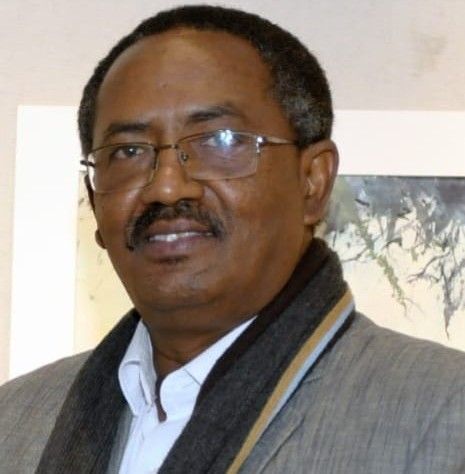
Nizar Osmandel
It is not enough to defeat wars; to take down the speech, sometimes the logic itself falls, and the language alone remains to exercise its old mission: to induce blood with words.
That's what the team did. «Repatriation to home» The Sudanese people decide to hold them accountable or exempt them.
For the first glance, it appears to be diluted in national honey; the people are Mr., the people are the judge, and the people are the last speaker, but under this cassation, one of the most serious forms of political misinformation is hiding: transferring responsibility from the State to the victim, from the law to the mood, from justice to delusion.
What people is this man speaking for?
And where is this people originally?
Is that the people whose towns were left in front of the militia?
Or the people who watched the soldiers withdraw from Khartoum, a civilian valley, a squirrel and a whole state, leaving civilians between murder, abuse and looting?
Or is it the camp people, mass graves and exoduses, who don't find water, medicine, no roof, and now he's being asked to turn out suddenly. «National High Court» You decide to pardon or punish?
What the proof said is not an authorization for the people, an escape from the state.
A State with an army, courts, laws and constitutions does not ask people if they want to punish murderers.
This isn't a public mission.
When symptoms are violated, public opinion is not overlooked.
When houses are looted, bodies are tortured and bodies buried on the streets, accountancy is not left to an emotional speech on the Friday prayer platform.
There's a judiciary, or there's supposed to be a judiciary.
There are investigations, or there are supposed to be investigations.
There's a State, or there's supposed to be a State.
But the proof, as a whole, opens a very dangerous door; cheap moral settlements, where crime can be washed by the phrase «Back home.»I'm sorry.
What kind of hug is this one that gets to both the executioner and the victim, then asks the victim to shake her killer in the name of the national?
Then how do people decide?
Exactly how?
Are people's courts set up?
Will a war crimes referendum be held?
Will torture survivors stand in front of ballot boxes to determine the rate of punishment?
Do you run justice by cheer?
Or is the point, simply, that power will settle everything later, and then claim that «People wanted to.»!
Here is the old trick that is repeated in the Sudan and many countries: kidnapping the people as an abstract idea, then speaking in his name without speaking.
The governor says «People want.»People hear only his voice.
البرهان لم يقل من يمثل هذا الشعب، ولا بأيّ آلية سيتكلم، ولا من سيحدّد معنى العفو أو حدود المحاسبة.
ترك العبارة سائبة، فضفاضة، مطاطة، لأن الغموض هنا ليس ضعفاً في التعبير، وإنما جزء من الوظيفة السياسية للكلام.
إنه الغموض الذي يسمح بتمرير كل شيء لاحقاً.
فالذين ارتكبوا الفظائع يمكن، في لحظة سياسية مناسبة، أن يتحوّلوا إلى «تائبين».
والذين حملوا السلاح ضد المدنيين يمكن أن يصبحوا شركاء في التسوية القادمة.
وكل ذلك تحت لافتة ضخمة اسمها «إرادة الشعب».
لكن الشعوب لا تُستدعى فقط حين يراد تبرير الصفقات.
الشعوب تُحترم عبر المؤسسات والقانون والعدالة، لا عبر الخطب.
الأخطر في حديث البرهان أنه لا يكتفي بتبرئة الدولة من مسؤوليتها، بل يعيد إنتاج الوهم نفسه الذي أوصل السودان إلى هذا الخراب… وهم الزعيم الذي يحتكر تعريف الوطنية، ثم يوزع صكوك الغفران باسم الناس.
فإذا كان الشعب هو صاحب القرار فعلاً، فلماذا لم يُستشر حين تحولت البلاد إلى ساحة حرب؟
ولماذا لم يُستشر حين ضاعت المدن؟
ولماذا لا يملك اليوم وسيلة واحدة حقيقية لمحاسبة أي طرف؟
الحقيقة الشاخصة؛ هي أن «الشعب»، في خطاب السلطة السودانية، أصبح كائناً يُستخدم عند الحاجة البلاغية فقط.
يُرفع كشعار حين يُراد تحشيد العاطفة، ثم يُختطف صوته حين يحين وقت القرار الحقيقي.
لهذا يبدو كلام البرهان كمن يدسّ السم في العسل:
يعطي الناس إحساساً زائفاً بالسيادة، بينما ينتزع منهم أبسط حقوقهم، وهو حق العدالة الواضحة الصريحة التي لا تُساوم على الدم، ولا تترك مصير الجرائم معلقاً في الهواء بين «العفو» و«حضن الوطن».