 سودانايل أول صحيفة سودانية رقمية تصدر من الخرطوم
أخبار أخرى


في ظل تصاعد الحرب في السودان وتفاقم الأزمة الإنسانية، يتركز الجدل بين مختلف القوى السودانية والدولية حول معادلة الضمانات للعسكريين مقابل العدالة للضحايا، وهي معضلة تواجه معظم اتفاقيات الانتقال السياسي بعد النزاعات المسلحة.
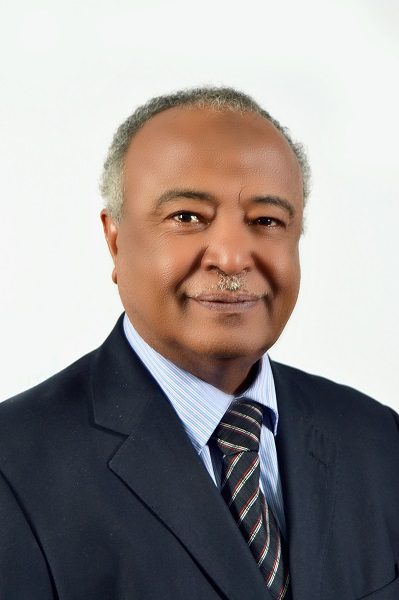
بروفيسور مكي مدني الشبلي
المدير التنفيذي، مركز الدراية للدراسات الاستراتيجية
في ظل تصاعد الحرب في السودان وتفاقم الأزمة الإنسانية، يتركز الجدل بين مختلف القوى السودانية والدولية حول معادلة الضمانات للعسكريين مقابل العدالة للضحايا، وهي معضلة تواجه معظم اتفاقيات الانتقال السياسي بعد النزاعات المسلحة.
خلفية الأزمة: مبادرات وتساؤلات
تشير خارطة الطريق المطروحة من “الرباعية” (الولايات المتحدة، ومصر، والسعودية، والإمارات) إلى خطة من ثلاث مراحل: هدنة إنسانية، ثم وقف إطلاق نار، فانتقال مدني. ورغم ترحيب قطاعات سياسية بهذه الخطة، تشكّك آخرون بإمكانية إقناع قادة الجيش والدعم السريع بالتنحي دون ضمانات واضحة تقيهم الملاحقة والإقصاء، خاصة مع مخاوف الانتقام وفقدان النفوذ. وفي المقابل، تتمسك حركات وشبكات الضحايا ومناصري قضايا العدالة في السودان بمطلب المعاقبة الصارمة لكل المسؤولين عن انتهاكات حقوق الإنسان، وترفض إعادة ظاهرة الإفلات من العقاب التي تكررت في تجارب سابقة.
مواقف السودانيين: توازن صعب بين العدالة والضمانات
القوى المدنية السودانية، منها “تحالف صمود” رحبت بخريطة اللجنة الرباعية، مشددة على ضرورة المساءلة كمدخل لأي تسوية بجانب إجراءات تأمين انتقال عادل وشامل.
لجان المقاومة، التي عانت من قمع شديد على يد القادة العسكريين قبل الحرب وأثناءها، تطالب بالعدالة التي تعالج الأسباب الجذرية للصراع وتضمن حقوق الناجين. وتحذّر من أن تجاهل مطالبها قد يُنفر الدعم الشعبي الأساسي، مما قد يُقوّض جهود السلام طويلة الأمد.
بينما ينبّه محامون ونشطاء إلى خطورة تكرار تجربة جنوب السودان، حيث ضمانات النخب المسلحة من دون إصلاح أدت إلى تجدد العنف وضعف الدولة. ويطالبون بمسار يمزج بين العدالة الانتقالية وضمانات أمنية مشروطة بإجراءات إصلاحية.
ومن جهة أخرى، يعبر قادة عسكريون وأعضاء في الإدارات الانتقالية عن خشيتهم من انسحاب غير آمن حال عدم توفير ضمانات تأمين لهم ولأسرهم، مشيرين إلى تجارب بلدان مثل رواندا وليبيريا والجزائر التي أفضت إلى استقرار هش أو عودة دورات العنف.
التجارب الدولية: حلول مختلطة ودروس متنوعة
تسلط تجارب رواندا 1994 (عدالة صارمة بلا ضمانات)، وليبيريا 2003 (ضمانات مع عدالة متأخرة)، وموزمبيق 1992 (عفو مشروط ودمج)، الضوء على تباين نتائج تسويات ما بعد النزاع.
لجنة الحقيقة والمصالحة بجنوب أفريقيا 1994 اعتمدت عفواً مشروطاً بالاعتراف الكامل، كمسار وسط بين الإفلات والمحاكمة، وأثارت جدلاً حول فعاليتها في شفاء جراح الضحايا.
وفي كولومبيا 2016، أدى المزج بين العقوبات المخففة وإعادة الدمج السياسي تحت ضمانات دولية إلى انتقال نسبي ناجح، لكنه واجه انتقادات مع كل تصاعد جديد للعنف.
أما جنوب السودان 2015 و2018، فقد أظهرت الفشل المتكرر للدورات السياسية القائمة فقط على ضمانات للنخب الحاكمة، ونتج عنها نزاعات متكررة رغم التسويات الشكلية.
وبالنسبة لتجربة سوريا ما بعد الأسد 2025 فلا تزال سوريا مُجزّأة، حيث تتنافس جهات فاعلة محلية وإقليمية ودولية متعددة على السيطرة. ويبدو أن القيادة الجديدة تُفضّل الموازنة بين المساءلة والمصالحة. ورغم وجود ضغط قوي من أجل المساءلة ووضع حد للإفلات من العقاب، إلا أن السلطات حريصة على عدم اللجوء إلى الانتقام الشامل، للحد من خطر تجدد الصراع أو انهيار النظام. وتُكمّل آليات المصالحة العرفية، مثل المجالس القبلية والوساطة المحلية، العدالة الرسمية لمعالجة المظالم المجتمعية، مستفيدةً من التقاليد السورية لإيجاد حلول إصلاحية غير عقابية كلما أمكن.
خلاصات وتوصيات متداولة
توافق قطاع واسع من خبراء القانون وحقوق الإنسان بالقوى المدنية السودانية على الصيغة “الهجينة” التي تشمل مساءلة انتقائية للقادة مع ضمانات سياسية محدودة، وترسيخ لعدالة مجتمعية ترميمية مستندة إلى الأعراف السودانية.
ويشدد مراقبون دوليون على أهمية عدم إعادة إنتاج تجربة جنوب السودان، محذرين من منح ضمانات شاملة للنخب المسلحة دون إصلاح يحقق طمأنة للضحايا والمجتمع.
ويرى ناشطون أن نجاح أي تسوية مرهون بوحدة الصوت المدني السوداني، وملكية القوى الوطنية لخطة الانتقال، ضمن شبكة ضمانات إقليمية ودولية متعددة المستويات.
خلاصة القول أن المشهد السوداني اليوم يمثل اختباراً معقداً لجدلية “السلام مقابل العدالة”، مع تشديد واسع على أن الضمانات وحدها تهدد بتكريس الإفلات من العقاب، بينما الانحياز للعدالة وحدها قد يطيل أمد الحرب ومعاناة السكان، ليظل الحل المأمول في توافق وطني على مسار هجين متوازن يشمل تسويات واقعية وضمانات للتغيير، دون التخلي عن الحق في مساءلة المسؤولين عن الانتهاكات.
PRESS REPORT
Sudan Crossroads: Guarantees for Generals and Justice for Victims
By Professor Mekki El Shibly
Executive Director, Cognisance Centre for Strategic Studies
Amid escalating conflict and a worsening humanitarian crisis in Sudan, a key debate is unfolding among Sudanese factions and international actors: how to balance guarantees for military leaders with justice for victims. This dilemma is common in post-conflict political transitions.
Background: The Quartet Roadmap and Challenges
The Quartet, comprising the United States, Egypt, Saudi Arabia, and the UAE, has proposed a three-step roadmap: a humanitarian truce, followed by a ceasefire, then a transition to civilian rule. While some political groups have welcomed this plan, skepticism remains about convincing the Sudan Armed Forces (SRF) and the Rapid Support Forces (SAF) leaders to step down without clear guarantees against prosecution and exclusion, especially amid fears of revenge and loss of influence. Victim groups and justice advocates stress the need for strict accountability for human rights violations, rejecting repeated impunity seen in past transitions.
Sudanese Perspectives: Striking a Difficult Balance
Many civil society groups support the Quartet’s plan, emphasising accountability as essential alongside security measures for a fair and inclusive transition.
However, legal experts and activists warn against repeating South Sudan’s experience, where military guarantees without reform led to recurring violence and weakened institutions. They call for a hybrid path combining transitional justice with conditional security guarantees.
Military leaders and transitional officials express concerns about unsafe withdrawals without adequate protection for themselves and their families, citing experiences in Rwanda (1994), Liberia (2003), and Algeria (2005), where outcomes ranged from fragile stability to renewed conflict.
Lessons from Global Experiences
Post-conflict settlements in Rwanda (strict justice without guarantees), Liberia (guarantees with delayed justice), and Mozambique (amnesty with integration) reveal varied outcomes.
South Africa’s Truth and Reconciliation Commission (1994) offered conditional amnesty based on full disclosure, balancing impunity and prosecution, sparking debate over its healing effectiveness.
Colombia’s (2016) peace deal combined reduced sentences and political reintegration under international guarantees, producing a fragile but relative success amid ongoing challenges.
South Sudan’s (2015 and 2018) repeated cycles of conflict highlight the failure of deals granting unfettered guarantees to elites without reform and accountability.
Syria’s Post-Assad Experience: Complexities of Transition
Following the fall of Bashar al-Assad, Syria remains deeply fragmented, with multiple domestic, regional, and international actors contesting control. The absence of a strong central authority has complicated efforts toward a unified transitional government.
Key challenges include ending foreign interventions, ensuring inclusive political dialogue, and rebuilding shattered institutions. Efforts to form a transitional body face delays amid competing external interests and internal divisions.
As for Syria (2025), fragmentation prevailed, with multiple local, regional, and international actors vying for control. The new leadership appears to favour balancing accountability with reconciliation. While there is a strong push for accountability and an end to impunity, the authorities are cautious not to pursue blanket vengeance, to minimise the risk of renewed conflict or a collapse of order. Customary reconciliation mechanisms, such as tribal councils and local mediation, supplement formal justice to address communal grievances, leveraging Syria’s traditions for restorative, non-punitive solutions when possible.
Common Ground and Recommendations
Sudanese legal and human rights experts agree on a hybrid approach: select accountability for top leaders combined with limited political guarantees, alongside restorative justice rooted in Sudanese traditions.
International observers emphasise avoiding South Sudan’s mistakes, warning against blanket guarantees that undermine victims’ trust and social cohesion.
Activists assert that success depends on Sudanese civil groups uniting behind a national plan, backed by layered regional and international guarantees.
The Sudanese Reality: A Complex Test of Peace Versus Justice
Sudan stands at a crossroads between peace and justice. Guarantees without accountability risk entrenching impunity, while emphasising justice alone may prolong conflict and suffering. The path forward lies in national consensus on a balanced hybrid approach with realistic compromises and protections for change, while preserving the right to hold perpetrators accountable.
melshibly@hotmail.com

